Author: admin

  • Drinks That Can Damage Your Teeth

    Drinks That Can Damage Your Teeth

    You might already know that sugary soft drinks aren’t great for your teeth. But the story is bigger than sugar.

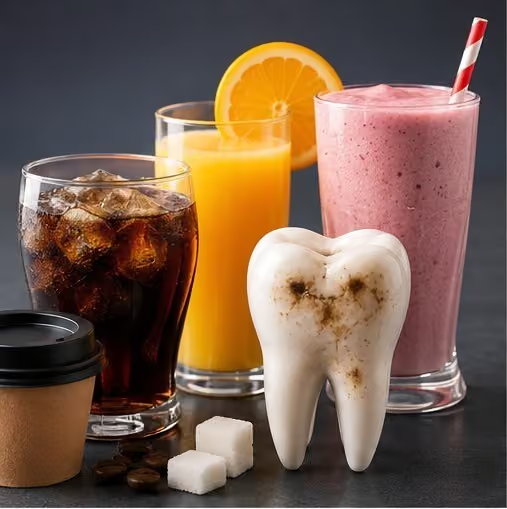
    Some beverages can expose your teeth to acids, which can contribute to erosive tooth wear. Others contain sugars that oral bacteria can use to produce acids associated with tooth decay. And when you sip these drinks slowly throughout the day, your teeth may face repeated acid challenges.That doesn’t mean you can never enjoy your favourite drink. It means how often you consume it, how you consume it, and what you do afterward can matter.The American Dental Association notes that frequent consumption of acidic foods and beverages is associated with an increased risk of erosive tooth wear, while sugar consumption is associated with increased caries risk.

    So, which drinks deserve your attention?

    Which Drinks Can Affect Your Teeth?

    Several common beverages can contribute to dental problems depending on their ingredients and your consumption habits.

    These include :

    • Soft drinks
    • Energy drinks
    • Sports drinks
    • Fruit juices
    • Sweetened iced teas
    • Flavoured beverages
    • Certain acidic drinks
    • Sugary coffee drinks

    There are two major concerns: sugar and acidity.Sugar can contribute to the tooth-decay process. Acids can contribute to enamel erosion.And sometimes, a drink can have both.

    What’s Actually Happening?

    Your tooth isn’t an inert piece of material.The outer layer, enamel, is the hard protective covering of your tooth. It can withstand a lot, but it is not completely invincible.When you consume carbohydrates and sugars, bacteria in dental plaque can produce acids. These acids can contribute to mineral loss from tooth structure.Acidic beverages can also directly expose teeth to an acidic environment. This is why the pattern of consumption matters.Imagine two people drinking the same acidic beverage.

    Person A: They drink it relatively quickly with a meal and then return to water.

    Person B: They carry the bottle around and take small sips every few minutes for several hours.The total amount might be similar, but Person B may expose the teeth to acidic conditions repeatedly over a longer period.

    The ADA specifically notes that frequency, pattern of consumption and contact time influence erosive tooth wear.The Energy Drink Trap.Energy drinks often look like performance products.But from a dental perspective, the important question isn’t whether the branding looks healthy.

    It’s what’s actually in the drink?

    Many energy and sports drinks can be acidic, and some contain significant amounts of sugar.If you regularly consume them, particularly by sipping them over extended periods, your teeth may experience repeated exposure.

    This doesn’t mean one drink will suddenly destroy your enamel.Dental erosion and tooth decay are processes influenced by multiple factors, including diet, oral hygiene, saliva, individual susceptibility and frequency of exposure.That’s why your overall pattern matters more than one isolated drink.

    What About Fruit Juice?

    “It’s fruit, so it must be good for my teeth.”Not necessarily.Fruit can absolutely be part of a healthy diet. But drinking fruit juice is different from eating whole fruit. Some fruit juices are acidic and contain naturally occurring sugars. The issue isn’t that fruit juice is “toxic” to teeth.The issue is repeated exposure to sugar and dietary acids.So instead of treating juice as an unlimited healthy beverage, think of it as something to consume thoughtfully.

    Conclusion

    Your teeth don’t care whether a drink is marketed as energetic, natural, refreshing or healthy.What matters is what you’re actually exposing them to.Sugar, acidity, frequency and contact time can all influence oral health.So the next time you reach for a drink, ask yourself one simple question:”Am I drinking this occasionally—or am I bathing my teeth in it all day?”That small difference can matter.
  • Can You Have a Cavity Without Pain

    Can You Have a Cavity Without Pain

    Imagine looking at your teeth in the mirror.They look fine.You aren’t experiencing pain.So you assume everything is okay.But here’s the uncomfortable truth:

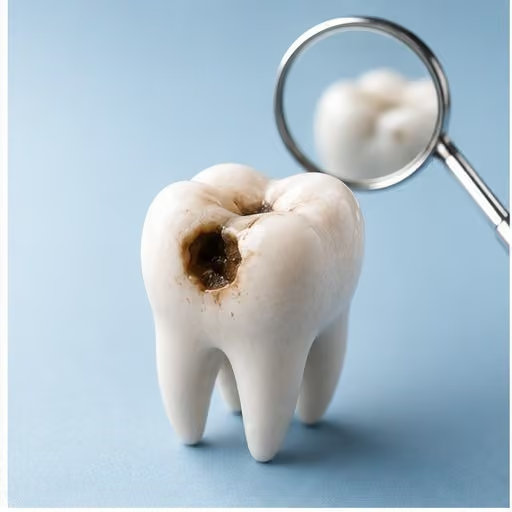
    A tooth can have decay without hurting.

    Pain isn’t a mandatory warning sign for a cavity.Tooth decay is a disease process that can progress through different stages. Depending on where it is located and how advanced it becomes, you may not notice anything initially.This is one reason regular dental examinations matter.

    Can a Cavity Really Not Hurt?

    Yes.

    A cavity may not cause noticeable symptoms during its early stages.Pain often becomes more likely when decay progresses deeper into the tooth and begins affecting structures that are more sensitive.But the absence of pain does not prove the absence of decay.That is why waiting for toothache before seeing a dentist isn’t always a good strategy.

    What’s Actually Happening?

    A tooth has several layers.The outer enamel is highly mineralized and protects the underlying structures.Underneath it is dentin.At the centre is the pulp, which contains nerves and blood vessels.When tooth decay progresses, it can move from the outer tooth structure toward deeper layers.Early decay may not produce an obvious sensation.

    As the process advances, symptoms may eventually include:

    • Sensitivity
    • Pain
    • Food getting trapped
    • Visible holes
    • Discoloration
    • Pain when biting
    • Persistent toothache

    But not everyone experiences every symptom.

    Why Does It Sometimes Stay Silent?

    The location and depth of the decay matter.A small area of decay may not irritate the nerve.A cavity between two teeth may also be difficult for you to see in a mirror.And some dental problems aren’t obvious without professional examination or dental X-rays when indicated.This is one reason dentists don’t simply look at the visible front surfaces of your teeth.They assess the teeth, gums, bite and other structures systematically.”But My Tooth Looks Normal”That’s exactly why dental problems can be deceptive.A tooth can appear normal externally while developing problems in an area that’s difficult to inspect yourself.

    What Increases Your Risk?

    Several factors can influence your risk of tooth decay.

    These include:

    • Frequent sugar consumption
    • Poor plaque control
    • Frequent acidic exposures
    • Dry mouth
    • Certain medications
    • Existing dental restorations
    • Difficulty cleaning between teeth
    • Certain dietary patterns
    • Individual susceptibility

    Dental caries is multifactorial, meaning there isn’t always one single cause.Signs You Shouldn’t Ignore,Even if you don’t have severe pain, book a dental assessment if you notice:

    • New sensitivity
    • A dark or white spot on a tooth
    • Food repeatedly getting stuck
    • A rough area on a tooth
    • A visible hole
    • Pain when chewing
    • Bad taste around a particular tooth
    • A filling that has chipped or feels different

    These symptoms don’t automatically mean you have a cavity.But they’re worth checking.

    Conclusion

    A painless tooth isn’t necessarily a problem-free tooth.Dental decay can develop quietly, particularly in areas that are difficult to see or clean.Regular examinations aren’t about waiting until something hurts.They’re about finding out what’s happening before pain becomes the reason you finally pay attention.

  • Why Do My Gums Bleed When I Brush

    Why Do My Gums Bleed When I Brush

    You see a little blood when brushing.Your first reaction might be:

    “I should brush more gently.”Or perhaps:”I’ll stop brushing that area for a few days.”

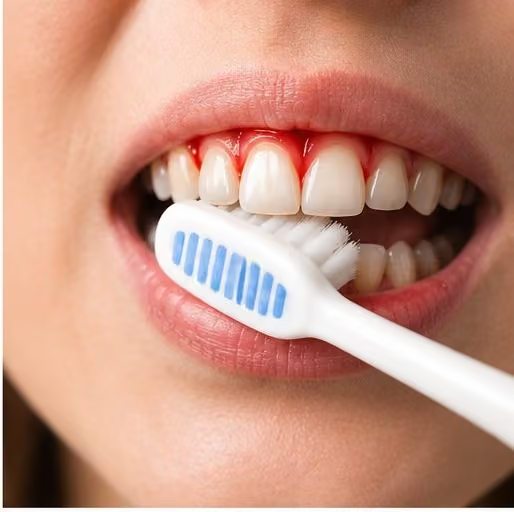
    But bleeding gums are often a sign that something deserves attention.Plaque buildup can irritate the gums, causing inflammation. Gingivitis can cause gums to become red, swollen and prone to bleeding. If gum disease progresses, it can affect the tissues and bone supporting the teeth.So here’s the strange part:

    Bleeding can be a reason to improve your oral hygiene—not abandon it.

    Why Do Gums Bleed?

    One common cause is inflammation associated with plaque buildup.Plaque is a sticky film containing bacteria that forms on teeth.If it isn’t removed effectively, it can irritate the gums.

    The gums may become:

    • Red
    • Swollen
    • Tender
    • More likely to bleed

    NIDCR identifies red, swollen and bleeding gums among the symptoms of gum disease.

    What’s Actually Happening?

    Healthy gums form a protective seal around your teeth.When plaque accumulates around the gumline, the body’s inflammatory response can cause the gum tissue to become swollen and more vascular.That can make the gums bleed more easily when brushing or cleaning between the teeth.This early stage is often referred to as gingivitis.

    The good news?

    Plaque-induced gingivitis can often be reversed with appropriate oral hygiene and professional care.But if gum disease progresses, the infection can extend deeper around the teeth.That’s where things become more serious.The Problem With “I’ll Just Stop Brushing”This is one of the worst responses to bleeding caused by plaque-related inflammation.If plaque is contributing to the problem, removing less plaque won’t solve the underlying cause.

    Instead, appropriate brushing and cleaning between the teeth are important.Of course, if your gums are severely painful, bleeding heavily or you have another dental condition, you should get professional advice rather than forcing an aggressive brushing routine.

    The goal is effective, gentle cleaning—not attacking your gums.When Bleeding Gums Become a Bigger Warning,Pay particular attention if bleeding occurs alongside:

    • Persistent bad breath
    • Swollen gums
    • Gum recession
    • Tender gums
    • Loose teeth
    • Pain when chewing
    • Tooth sensitivity
    • Changes in how your teeth fit together

    NIDCR lists bleeding gums, persistent bad breath, loose or sensitive teeth and pain during chewing among possible symptoms associated with periodontal disease.

    Other Reasons Your Gums May Bleed

    • Plaque isn’t the only possible explanation.
    • Bleeding can also be associated with:
    • Trauma from aggressive cleaning
    • Poorly fitting oral appliances
    • Hormonal changes
    • Certain medications
    • Some medical conditions
    • Other oral health problems

    That’s why persistent bleeding shouldn’t automatically be self-diagnosed as gingivitis.

    Conclusion

    Your gums aren’t supposed to be a daily source of blood.If they bleed repeatedly, don’t panic—but don’t ignore them either.Your gums may be giving you an early signal that your oral environment needs attention.Listen before the signal becomes a bigger problem.

  • Why Is My Mouth Always Dry

    Why Is My Mouth Always Dry

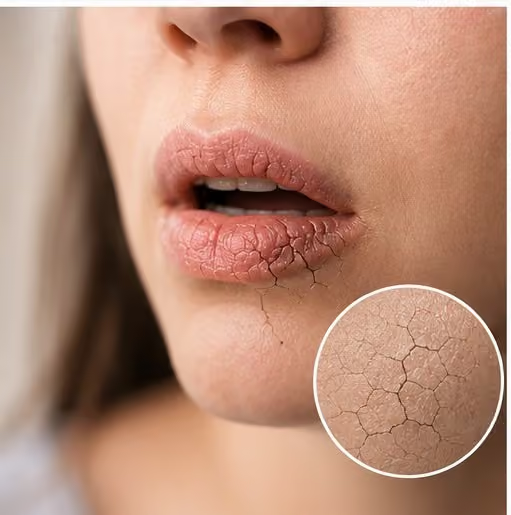
    You keep drinking water.Yet your mouth still feels dry.You wake up with a sticky mouth.Your lips feel uncomfortable.Your breath doesn’t seem fresh.And you’re constantly reaching for another bottle of water.You might think you’re simply dehydrated.

    But persistent dry mouth can have many possible causes, and it isn’t something you should automatically dismiss.Saliva plays a major role in oral health. It helps moisten the mouth, assists with swallowing, clears food particles and provides minerals that help protect teeth.When saliva production is reduced for a prolonged period, your teeth and oral tissues can become more vulnerable.

    Why Does Your Mouth Feel Dry?

    Dry mouth, also called xerostomia, occurs when there isn’t enough saliva to keep the mouth adequately moist.

    Possible causes include:

    • Certain medications
    • Some medical conditions
    • Dehydration
    • Radiation therapy
    • Nerve damage
    • Other factors affecting salivary gland function

    NIDCR notes that hundreds of medications can cause dry mouth.So if your mouth has suddenly become persistently dry, think beyond simply “I need more water.”

    Why Is Saliva So Important?

    Saliva does much more than keep your mouth wet.

    It helps:

    • Moisten food
    • Make swallowing easier
    • Wash away food particles
    • Provide minerals such as calcium and phosphate
    • Help protect teeth
    • Maintain a healthier oral environment
    • Reduced saliva can therefore affect more than comfort.

    NIDCR notes that persistent dry mouth can increase the risk of tooth decay and oral fungal infections.Signs You Might Have Dry Mouth

    Possible symptoms include:

    • Sticky feeling in your mouth
    • Difficulty chewing
    • Difficulty swallowing
    • Difficulty speaking
    • Dry throat
    • Burning sensation
    • Cracked lips
    • Mouth sores
    • Bad breath
    • Changes in taste
    • Recurrent oral infections
    • The Hidden Dental Problem

    Here’s what makes persistent dry mouth especially important for dental patients.When saliva decreases, your mouth loses some of the protective functions saliva normally provides.That can make maintaining a healthy oral environment more difficult.A person with persistent dry mouth may therefore need a more individualized preventive dental plan.This is especially important if dry mouth is caused by medication or another underlying condition.

    Is Dry Mouth Just Dehydration?

    Not always.

    If you have simply exercised heavily, spent time in hot weather or haven’t consumed enough fluids, thirst and temporary dryness may make sense.But if your mouth is persistently dry despite reasonable fluid intake, it is worth discussing with a healthcare professional.Don’t simply keep increasing water intake indefinitely without considering the cause.

    What Can You Do?

    Drink water regularly : Keep water accessible and sip it as needed.

    Chew sugar-free gum : Chewing can stimulate saliva production. The ADA notes that chewing sugar-free gum increases salivary flow and may contribute to reducing caries risk when used alongside regular oral hygiene.

    Review your medications : If you suspect medication is causing dry mouth, don’t stop prescribed medication yourself. Instead, discuss the possibility with your doctor or dentist.

    Maintain excellent oral hygiene : Dry mouth can increase oral health risks, making daily plaque control particularly important.Limit tobacco and alcoholThese can worsen oral dryness and contribute to other oral health problems.

    Conclusion

    Your mouth has its own built-in protection system.It’s called saliva.So when your mouth is persistently dry, don’t treat it as merely an annoying sensation.Sometimes, the dryness is the symptom—not the whole story.

  • Teeth Grinding at Night: Signs and Causes

    Teeth Grinding at Night: Signs and Causes

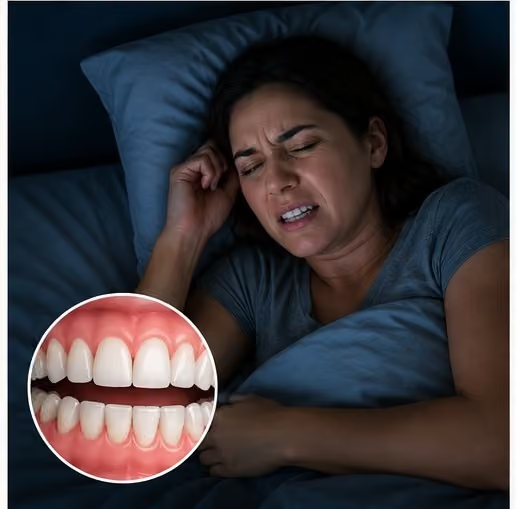
    You wake up with a sore jaw.Maybe you have a headache.Maybe your teeth feel strangely sensitive.You don’t remember doing anything unusual while sleeping.

    So what’s going on?

    One possibility is bruxism—grinding, clenching or gnashing your teeth.

    And here’s the strange part:You may not even know you’re doing it.NIDCR notes that bruxism can occur during sleep or while awake, and people may be unaware that they’re grinding or clenching.

    What Is Bruxism?

    Bruxism refers to grinding, clenching or gnashing of the teeth.It can happen while you’re awake or asleep.Mild cases may not require treatment, but more severe bruxism can contribute to:

    • Tooth wear
    • Chipped teeth
    • Cracked teeth
    • Tooth sensitivity
    • Jaw muscle soreness
    • Headaches
    • Facial discomfort

    How Do You Know You’re Doing It?

    You might not.That’s why certain signs can be useful clues.

    Look for:

    • Flattened tooth surfaces
    • Chipped teeth
    • Increased sensitivity
    • Jaw soreness
    • Jaw tightness
    • Morning headaches
    • Facial pain
    • Tired jaw muscles

    Someone telling you they hear grinding sounds at nightNIDCR lists worn, chipped or cracked teeth and jaw soreness among possible signs of bruxism.

    Why Does It Happen?

    There isn’t always one simple cause.Factors associated with bruxism can include:

    • Stress
    • Emotional distress
    • Genetics
    • Alcohol consumption
    • Caffeine consumption
    • Smoking
    • Certain medications

    This is important because simply telling someone to “stop grinding” isn’t particularly useful when the grinding occurs unconsciously.The first step is identifying whether bruxism is actually present and how significantly it is affecting the teeth and jaw.Your Teeth Can Show EvidenceImagine a person who says:”I don’t grind my teeth.”But the dentist notices:

    • Significant wear
    • Flattened biting surfaces
    • Chipping
    • Sensitivity

    That doesn’t automatically prove bruxism.Tooth wear can have several causes.But these findings can prompt further questions about clenching and grinding.A proper dental assessment is therefore more useful than self-diagnosis.

    Conclusion

    You might spend eight hours asleep without knowing what’s happening inside your mouth.Your teeth, however, may leave clues.So if you’re waking up with jaw pain, sensitive teeth or unexplained tooth wear, don’t automatically blame your pillow.Your teeth might be telling you something.

  • Everyday Habits That Can Damage Your Teeth

    Everyday Habits That Can Damage Your Teeth

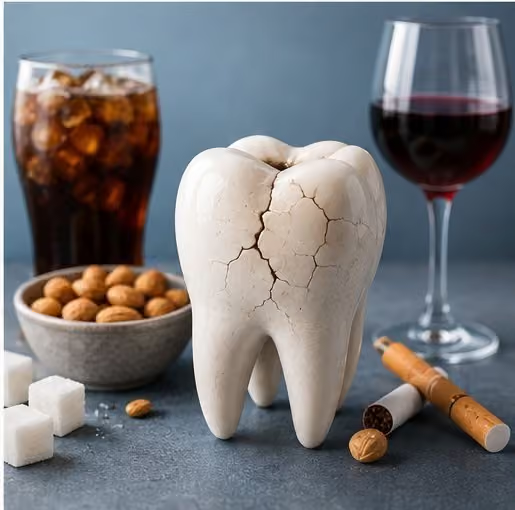
    Your dentist doesn’t just look at your teeth.Sometimes, your teeth tell a story.A flattened edge might suggest repeated mechanical stress.Sensitivity could have multiple possible causes.

    • Enamel wear may make your dentist ask about acidic drinks.
    • Jaw soreness may prompt questions about clenching.
    • Your mouth can provide clues about your everyday habits.
    • And some of those habits may seem completely harmless.

    Which Everyday Habits Can Affect Your Teeth?

    Some habits that deserve attention include:

    • Frequently sipping acidic drinks
    • Using teeth to open packages
    • Chewing very hard objects
    • Grinding or clenching
    • Poor plaque removal
    • Frequent sugary snacks or drinks
    • Smoking or tobacco use
    • Ignoring persistent dental symptoms
    • Aggressive brushing
    • Regularly exposing teeth to acids

    The important point is that not every habit causes damage in every person.Dental health is multifactorial.But repeated behaviours can influence risk.

    Habit #1: Sipping Drinks All Day

    This is especially relevant for people who keep a bottle of soft drink, energy drink or acidic beverage beside them throughout the day.The problem isn’t just what you’re drinking.It’s the repeated exposure.The ADA notes that the frequency and pattern of acidic exposure can influence erosive tooth wear.If you enjoy an acidic drink, consuming it in a more controlled pattern and rinsing with water afterward can reduce prolonged exposure.

    Habit #2: Using Your Teeth as Tools

    Opening packaging with your teeth might feel faster.

    It isn’t a good idea.Your teeth are designed primarily for biting and chewing food—not opening plastic packets, bottles or other objects.Using teeth as tools can create unnecessary mechanical stress and may contribute to chips or cracks.If something needs opening:Use the tool designed for it.Your teeth aren’t scissors.

    Habit #3: Chewing on Hard Objects

    Some people chew:

    • Pens
    • Ice
    • Nails
    • Hard objectski
    • Non-food items

    Repeated mechanical stress can be rough on teeth.If you already have weakened, restored or cracked teeth, hard-object chewing may be particularly problematic.

    Habit #4: Grinding Without Realising It

    Bruxism is another hidden behaviour.

    You may clench while:

    • Working
    • Driving
    • Studying
    • Exercising
    • Sleeping
    • Concentrating

    NIDCR notes that bruxism can occur while awake or asleep and may be associated with tooth wear, jaw pain and headaches.The first step is recognising the behaviour.

    Habit #5: “Healthy” Snacking All Day

    Here’s another surprising one.A person might say:”I don’t drink soda.”Great.But they may constantly snack on sweet foods throughout the day.Dietary sugars are associated with increased caries risk.The issue is not that one snack automatically causes a cavity.Oral health depends on the overall pattern of diet, plaque, saliva, fluoride exposure and individual risk.But frequent sugary exposures can make cavity prevention more difficult.

    Habit #6: Brushing Too Aggressively

    More pressure doesn’t necessarily mean cleaner teeth.Aggressive brushing can irritate gums and contribute to mechanical wear in susceptible areas.The objective is:Effective cleaning—not maximum force.Your toothbrush doesn’t need to win a fight with your teeth.

    Habit #7: Ignoring Small Symptoms

    This may be the most expensive habit of all.A person notices:

    “Something feels slightly sensitive.”Then waits.Then:”Food keeps getting stuck there.”Waits again.Then:”Now it hurts.”By this point, the problem may require more attention than it would have earlier.Not every symptom means a serious dental condition.But persistent or changing symptoms deserve professional evaluation.

    Habit #8: Treating Bleeding Gums as Normal

    If your gums repeatedly bleed, don’t simply accept it as part of brushing.Plaque-induced inflammation can cause bleeding gums, and persistent gum problems can progress if untreated.Good oral hygiene and professional dental care are important parts of managing gum health.

    Conclusion

    • Your teeth don’t have a diary.
    • But they can leave clues.
    • The drinks you sip.
    • The things you chew.
    • The way you brush.
    • The way you clench.
    • The symptoms you ignore.

    Over time, these everyday behaviours can become part of your oral-health story.So don’t wait for your teeth to tell the whole story through pain.Sometimes the smallest habits deserve the biggest attention.